WELCOME TO METRO SHOES Extra 10% OFF on Orders Above ₹1,499+ Use Code: WELCOME. T&C apply. SHOP NOW Store Locator Help
Extra 10% OFF on Orders Above ₹1,499+ Use Code: WELCOME. T&C apply. SHOP NOW



 Cart
CartWhat Is Transitional Footwear? A Complete Guide to Seasonal Shoe
September 08, 2026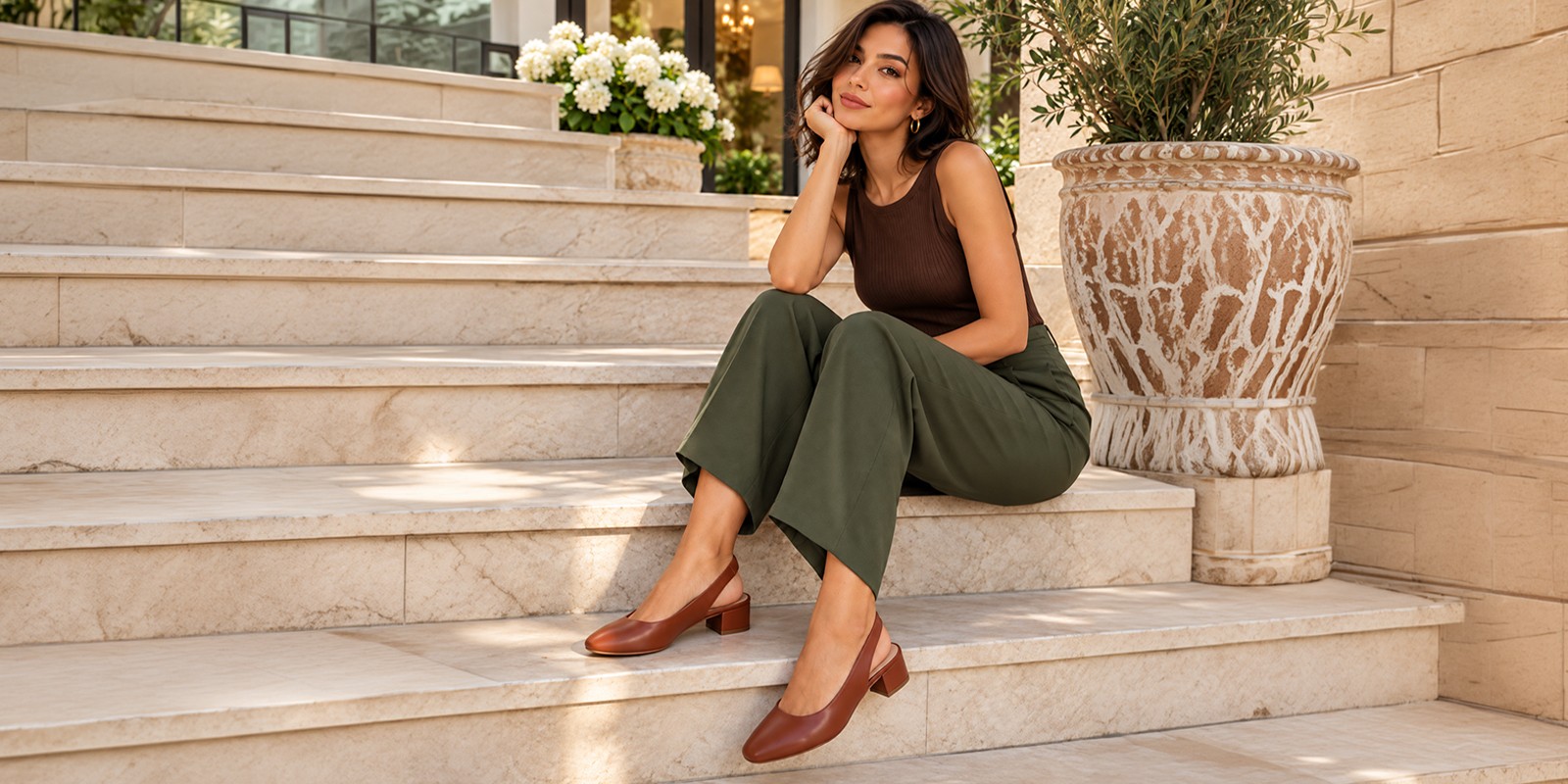
What is transitional footwear? The term describes versatile shoes that can be worn comfortably between seasons and across changing weather conditions. These styles help bridge the gap between summer and autumn or winter and spring. They generally combine moderate coverage, breathable construction, practical soles, and an adaptable appearance.
From sneakers and loafers to flats and lightweight sandals, transitional footwear can make seasonal dressing simpler and more comfortable.
Transitional Footwear Explained
Meaning of Transitional Footwear
Transitional footwear refers to shoes that work during the period when one season is gradually changing into another. Unlike footwear designed for extreme heat, heavy rain, or severe cold, transitional styles are suited to moderate and sometimes unpredictable conditions.
The meaning of transitional footwear in fashion also extends beyond weather. These shoes can move easily between different outfits, settings, and times of day. A pair may work with casual clothing during the weekend, smart separates at the office, and a relaxed evening look.
When asking what transitional shoes are, think of styles that provide flexibility. They should offer enough protection for cooler moments without becoming uncomfortable when temperatures rise.
Why It Is Important in Fashion
Transitional footwear helps create a smooth shift between seasonal wardrobes. Rather than replacing every element of an outfit when the weather changes, you can introduce adaptable shoes that work with clothing from both seasons.
For example, sneakers can be worn with lightweight summer dresses and later styled with jeans, knitwear, or a jacket. Loafers complement breathable trousers during warmer weather and tailored layers when the temperature falls.
Understanding what is transitional footwear also encourages more thoughtful purchasing. A pair that works across several months may provide greater value than footwear that can only be used during a short weather window.
Seasonal Dressing Made Easy
Changing seasons often call for layered clothing, and footwear should offer similar flexibility. The right shoes provide sufficient coverage for cool mornings but remain breathable and manageable during warmer afternoons.
Everyday transitional shoes can also reduce the need to plan separate outfits for unpredictable conditions. Instead of carrying a change of footwear, you can choose one versatile pair that supports the full day.
This approach is especially useful for commuting, travelling, and attending events that move between indoor and outdoor spaces.
Types of Transitional Footwear
Sneakers for All-Season Styling
Sneakers are among the most versatile transitional footwear types. Their closed construction provides useful coverage, while breathable materials and lightweight soles can keep them comfortable in mild weather.
Sneakers for men pair naturally with jeans, chinos, cargo trousers, and relaxed tailoring. Neutral shades such as white, black, grey, navy, and beige can move between casual and smart-casual outfits with minimal effort.
Sneakers for women offer equally broad styling possibilities. They can be worn with denim, trousers, midi skirts, dresses, and coordinated sets. Streamlined designs create a polished look, while chunkier silhouettes add a more contemporary element.
When choosing sneakers as footwear suitable for changing weather, look for comfortable lining, flexible soles, and an outer material that suits your local conditions.
Loafers and Slip-Ons for Versatility
Loafers provide more coverage than sandals while feeling lighter and less restrictive than heavy boots. This balance makes them a dependable option for the periods between seasons.
Loafers for men can be styled with chinos, tailored trousers, dark denim, and semi-formal separates. They work well for offices, social gatherings, dinners, and other occasions that require a polished appearance without overly formal footwear.
Slip-ons offer similar convenience for casual routines. Their easy-to-wear construction is useful during travel and busy mornings, while a clean silhouette helps them complement a variety of outfits.
Among transitional footwear types, loafers are particularly valuable because they can move from casual to semi-formal settings without requiring a complete outfit change.
Lightweight Sandals and Flats
Sandals can be transitional when the design provides moderate coverage and a secure fit. Styles with broader straps, supportive soles, or closed-back construction are suitable for warmer days during seasonal change.
Sandals for women can be paired with dresses, cropped trousers, jeans, and fusion outfits. Instead of choosing a very open holiday-style design, look for a structured pair that can work with layered clothing.
Ballet flats, mules, and other lightweight flats are also useful during mild weather. They provide an elegant alternative to sneakers and can accompany both officewear and casual outfits.
These styles are best suited to dry conditions, so checking the weather remains important when planning between-season shoe styling.
How to Style Transitional Shoes
Weather-Based Outfit Pairing
Successful transitional styling begins with the day’s expected conditions. On a cool morning that is likely to become warm, combine breathable clothing with a light outer layer and closed shoes such as sneakers or loafers.
If the temperature is mild and rain is unlikely, flats or supportive sandals may be more suitable. During unsettled weather, choose footwear with good traction and enough coverage to keep your feet comfortable.
A seasonal footwear transition styles guide should be treated as flexible rather than fixed. Local climate, personal comfort, and the amount of time spent outdoors will all affect which pair works best.
From Casual to Semi-Formal Looks
Transitional shoes are particularly useful when your day includes more than one type of occasion. Minimal sneakers can accompany a casual daytime outfit and still look appropriate with a blazer for an informal evening.
Loafers work well with denim and a shirt but can also complement tailored trousers and a structured jacket. Women can style sleek sneakers or flats with a dress, then add a blazer or cardigan for a more polished finish.
When considering what is transitional footwear, versatility between dress codes matters almost as much as versatility between seasons.
Colour Choices for Versatility
Neutral colours make transitional shoes easier to coordinate. Black, brown, tan, white, beige, grey, and navy can be worn with clothing from both warm- and cool-weather wardrobes.
Earthy shades such as olive, rust, burgundy, and taupe can also bridge the seasons effectively. They complement lightweight neutrals during warmer months and richer, layered outfits as temperatures fall.
If you prefer brighter footwear, choose a colour that appears regularly in your wardrobe. The goal is not to avoid personality but to select a pair that offers enough styling possibilities for repeated use.
Benefits of Transitional Footwear
Year-Round Usability
One of the main benefits of transitional footwear is its extended period of use. Depending on the climate, versatile sneakers, loafers, flats, and covered sandals may be worn through several seasons.
This makes transitional shoes practical for daily routines and travel. A well-chosen pair can accompany different outfits and reduce the number of shoes required for a trip.
Greater usability can also make it easier to invest in comfort and quality. Shoes worn regularly should provide a supportive fit and durable construction.
Comfort in Changing Weather
Changing weather calls for footwear that avoids seasonal extremes. Heavy, insulated shoes may become uncomfortable as the day warms, while very open sandals may leave the feet exposed during cooler periods.
Everyday transitional shoes aim for balance through moderate coverage, breathability, and comfortable soles. The ideal construction depends on your environment, but the overall purpose remains the same: maintaining comfort as conditions fluctuate.
Reducing Wardrobe Clutter
Versatile shoes can reduce the need for separate pairs for every outfit and minor weather change. A neutral sneaker may support casual, travel, and smart-casual dressing, while a polished loafer can cover both work and social occasions.
Understanding what transitional footwear is makes it easier to identify genuine wardrobe gaps. Instead of buying multiple pairs with similar functions, you can choose a smaller number of adaptable styles.
This does not mean relying on one pair for every situation. Footwear designed for heavy rain, extreme heat, or very cold weather still serves an important purpose. Transitional options simply handle the moderate conditions between those extremes.
Which Transitional Shoes Should You Choose?
Based on Lifestyle Needs
Your daily routine should guide your choice. If you walk or commute frequently, supportive sneakers may be the most practical option. For office-based routines and smart-casual events, loafers or refined flats can offer the right balance of comfort and polish.
People who travel regularly may benefit from lightweight slip-ons that are easy to remove and coordinate with several outfits. If most of your time is spent in warm conditions, covered or structured sandals may provide sufficient versatility.
Based on Daily Usage
Think about how long you wear your shoes and the activities your day involves. All-day footwear should have adequate cushioning, a secure fit, and a sole that supports regular movement.
If your schedule shifts between casual and semi-formal environments, choose a simple silhouette with minimal decoration. Clean sneakers, classic loafers, and understated flats are easier to dress up or down.
The most valuable transitional footwear is not necessarily the most fashionable option. It is the pair you can wear frequently and confidently.
Based on Weather Conditions
Your local climate has a significant influence on what qualifies as transitional footwear. In a warm region, sandals and breathable sneakers may remain useful for most of the year. In a cooler location, loafers and more substantial closed shoes may be better suited to changing seasons.
Check the upper material, lining, sole grip, and level of coverage. No single design works for every weather condition, so choose according to the temperatures and surfaces you commonly encounter.
Metro offers loafers for men, sneakers for men, sneakers for women, and sandals for women that can support a variety of between-season looks. Select styles that complement your wardrobe while providing the comfort and practicality your routine requires.
Frequently Asked Questions
What Does Transitional Footwear Mean?
Transitional footwear refers to versatile shoes worn between seasons or during periods of changing weather. These styles typically balance coverage, breathability, comfort, and adaptability.
Which Shoes Are Transitional?
Sneakers, loafers, slip-ons, flats, mules, and structured sandals can all function as transitional shoes. Their suitability depends on the material, construction, climate, and intended use.
Can Sneakers Be Transitional Shoes?
Yes. Sneakers are excellent transitional shoes because they provide coverage without the weight of winter footwear. Breathable, lightweight designs are especially useful during mild and variable weather.
Are Loafers Good for All Seasons?
Loafers can be worn across several seasons, particularly in mild and dry weather. Their closed design and polished appearance make them suitable for work, casual plans, and semi-formal occasions.
Why Choose Transitional Footwear?
Transitional footwear simplifies seasonal dressing, offers extended usability, and helps reduce unnecessary wardrobe clutter. It also provides comfort during periods when temperatures and weather conditions can change throughout the day.